Textured paint is a fantastic way to add depth, dimension, and personality to your walls. Whether you want to hide imperfections, achieve a rustic aesthetic, or create a unique focal point, textured paint can transform any space.
The Paintsmiths Textured Paint Range offers a variety of finishes that allow you to customize your walls to suit your style.
In this guide, we’ll explore the different types of textured paint available and walk you through step-by-step instructions on how to apply it effectively.
Types of Textured Paint
Paintsmiths offers an impressive selection of textured paints designed to create visually striking surfaces. Here are some popular options:
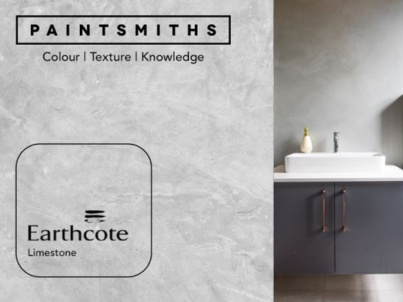
- Mimics the natural look of limestone with its soft, earthy texture.
- Ideal for creating a timeless, sophisticated atmosphere.
- Offers a grainy, rough texture reminiscent of natural sandstone.
- Works well in both modern and traditional interiors.
- Designed to replicate the weathered, industrial look of rusted metal.
- Perfect for feature walls in contemporary spaces.
- Inspired by the sunbaked riverbeds of the Karoo, providing a subtle, graded texture.
- Great for adding a touch of the outdoors to interiors.
How to Apply Textured Paint to a Wall
Applying textured paint is similar to traditional painting but requires a few additional techniques. Below is a step-by-step guide to achieving different textured effects.
1. Prepare the Wall Surface
Before you begin, proper wall preparation is crucial:
- Clean the wall: Remove dust, dirt, and grease to ensure the paint adheres properly.
- Fill in cracks and holes: Use a patching compound to smooth out any major imperfections.
- Prime the wall: If using textured paint on a previously painted wall, applying a primer ensures even coverage and better adhesion.
2. Texture a Wall With a Roller
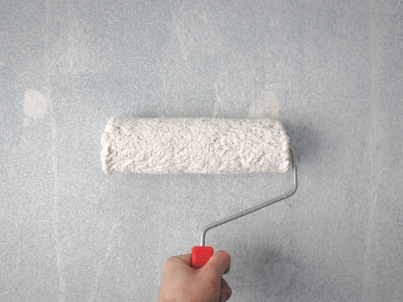
Using a paint roller is one of the easiest ways to achieve a textured look.
Steps:
- Choose a textured roller: These have raised patterns that create texture as you paint.
- Dip the roller into the textured paint and roll it on a paint tray to distribute the paint evenly.
- Apply the paint in a crisscross motion, ensuring full coverage.
- Let it dry completely before adding a second coat if needed.
3. Texture a Wall With a Paintbrush
For a more dramatic, hand-crafted look, a paintbrush can be used to create patterns.
Steps:
- Use a stiff-bristle brush to apply the textured paint.
- Dab, sweep, or stipple the paint onto the surface to create different effects.
- Blend areas carefully to ensure consistency.
- Let dry and add more layers for added depth.
4. How to Texture a Wall Using a Sponge
Sponges can create an organic, natural effect that mimics stone or weathered plaster.
Steps:
- Dip a sea sponge into the paint and dab off excess on a tray.
- Lightly press the sponge onto the wall in a random pattern.
- Overlap dabs slightly for a natural look.
- Layer different shades for a more dynamic appearance.
5. Faux Wall Texture Techniques
If you’re looking for a more artistic approach, faux painting techniques can add depth and character.
- Rag Rolling: Rolling a crumpled rag through wet paint creates a rich, aged effect.
- Brushed Linen: Dragging a dry brush through wet paint produces a fabric-like texture.
- Spatula Application: Using a trowel or spatula to apply paint creates a rustic, stucco-like finish.
Tips for a Professional Finish
- Work in sections to maintain a consistent texture across the entire wall.
- Test on a small area before committing to a technique.
- Use complementary colours to add depth and realism to faux textures.
- Seal with a protective topcoat if needed, especially for high-traffic areas.
The Paintsmiths textured paint range offers endless possibilities for creating visually appealing, unique surfaces.
Whether you choose a rustic limestone finish, a grainy sand texture, or an industrial rust effect, textured paint can bring new life to your walls.
With the right techniques, tools, and a bit of creativity, you can transform any space into a masterpiece.
Premium Painting and Flooring Services in the Overberg
At Paintsmiths Bredasdorp, we provide expert painting and flooring solutions designed to enhance your space.
Whether you’re revitalizing your interiors, safeguarding your roof, or upgrading your floors with stylish screed finishes, our skilled team delivers impeccable results.
Serving Bredasdorp, Napier, Arniston, Struisbaai, Agulhas, and surrounding areas, we are dedicated to quality craftsmanship and outstanding customer service.
Contact Paintsmiths Bredasdorp and get your all-inclusive quote today!